In elementary-school theatre camp, a counselor once told me that Shakespeare’s comedies were the plays that start in chaos but eventually resolve happily. His tragedies were the opposite: plays that begin pleasantly, or at least mundanely, and ended in chaos and frustration.
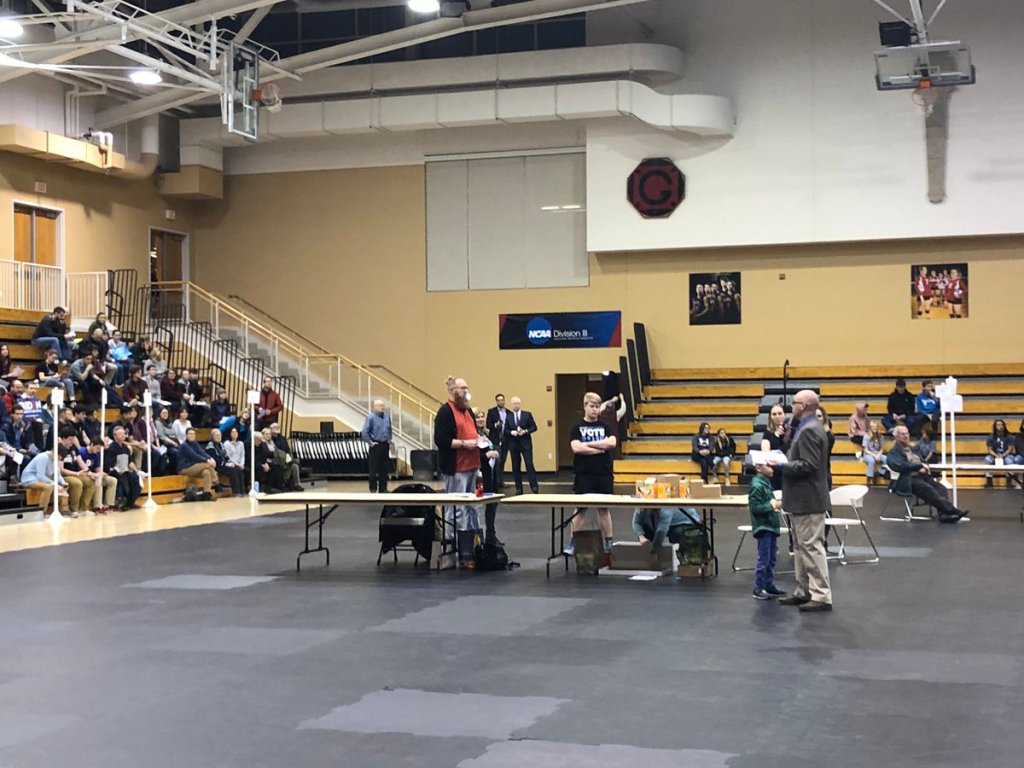
The first act of the caucuses was wonderful. I arrived at my precinct thirty minutes early, signed in without a hitch, was given a wristband to get in and offered stickers by a variety of candidates. My friends and I sat down on the bleachers in the section of our first choice. We watched inquisitively as our friends, neighbors, and peers began to file in and split off into their candidates’ sections of the gym. We filled out our paper ballots, stood to be counted when we were told. We watched ourselves live on CNN. To this first-time voter, Monday night felt exactly how the political process should be: well-organized, pleasant, full of useful discourse. I was thrilled to be a part of it all. Tuckered out from a long evening of fulfilling my civic duty, I went right to bed.
When I woke up the next morning, Act Two had started.



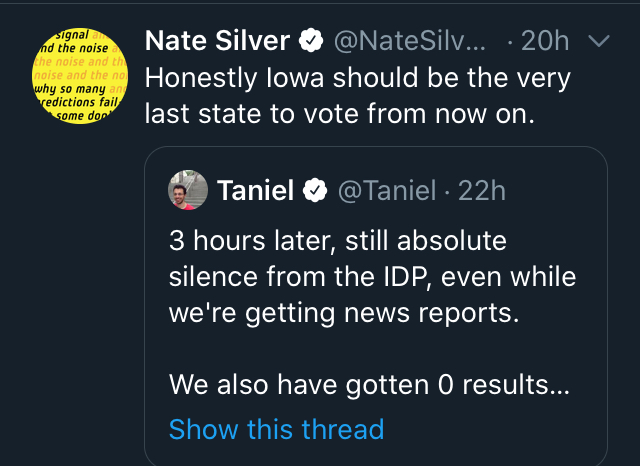
In the last few days, the chaos has made one thing increasingly clear: the Iowa Caucuses were a tragedy of Shakespearean proportions.
At first, I was frustrated at people’s impatience. The Iowa Democratic Party, for the first time, was giving the public three times the data they normally collected and distributed. It made sense to me that this would take longer, especially considering the added processing needed for two new data points and multitudinous paper ballots. The news cycle should be a bit more patient, I thought.
Soon it became evident that something more was going on. Suspicions about the app the Iowa Democratic Party was using to report results started to spread. Shadow Incorporated, the (perhaps aptly-named) company behind the app, apologized publicly for a bug that they say caused the system to fail. Others, with more wild theories, thought maybe more than a bug was at fault, pointing to Pete Buttigieg’s campaign’s donation of over $40,000 to the app in July combined with his premature declaration of victory on Monday night. Regardless of what went down in cyberspace on Caucus night, one thing that we now know for sure is that untested, secretive software should not be used in an event as important as this.
The benefit of tragedies is that they often serve as cautionary tales. We can learn from the mistakes and chaos that we see onstage. The Iowa Caucuses should be just that for the Democratic party as other states’ primaries draw nearer: a tragedy, yes, but one we can learn from. The media and campaigns, when asking for more data, should expect more time to be taken. Maybe we shouldn’t rely solely on electronic vote reporting, instead focusing more on having strong human channels of communication.
I hope we can see the 2020 Iowa Caucuses go down in history not just as a tragedy, but as a lesson learned.
 Politics on Broadway